
Wallets & Security
Keeping crypto safe mostly comes down to two things: who controls the keys, and whether you can spot a scam before it costs you. This section covers hardware wallets, recovery phrases and the tricks fraudsters use most often. If you are about to buy a wallet, start with our EU buyer’s guide.
-
Software wallets are free and convenient; hardware wallets keep your keys off the internet. A plain comparison of security, cost and convenience, and how to combine both.
-
Paper or metal, one copy or two, passphrase or multi-share backup: a practical guide to storing your crypto recovery phrase so it survives fire, floods and curious visitors.
-
The three current Trezor models side by side: what you get for the extra money, where they are identical, and which one fits how you actually use crypto.
-
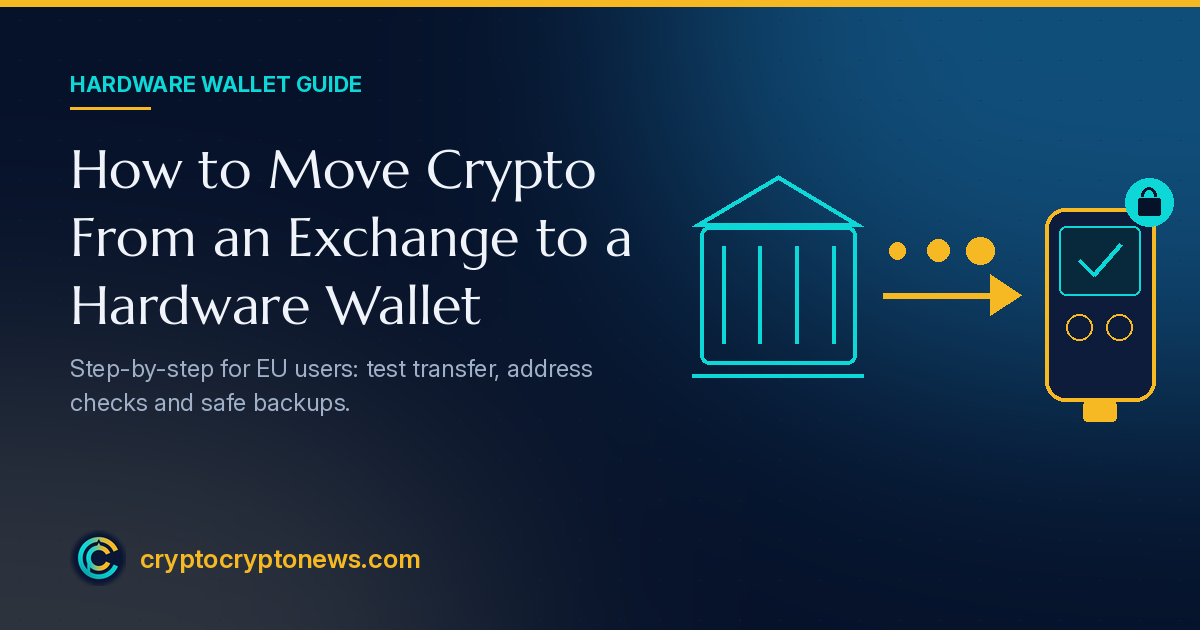
A calm, step-by-step walkthrough for moving crypto from an exchange to your own hardware wallet: setup, choosing the network, the test transaction and the EU wallet ownership check.
-
Our picks for the best hardware wallets for EU buyers in 2026: Trezor Safe 3, Safe 5 and Ledger compared on security, open source, coins and price.
-
The most common crypto scams, from fake celebrity ads and romance fraud to wallet drainers and “recovery” services, the red flags they share, and what to do if you think you have been targeted.
-
What a hardware wallet does, what it does not do, and the criteria that matter when choosing one, with a neutral look at the two best-known brands, Ledger and Trezor.